So you’ve got a logo or image that needs to be vectorized, and you’ve just spent the last twenty minutes scrolling through Google results that all say the same three things: highest quality, fast turnaround, lowest price. Every single one of them looks identical on the surface. The problem is, you usually don’t find out who’s actually good until after you’ve paid and the file lands in your inbox — and by then it’s a little late if it’s wrong.
Most logos that end up needing vector conversion didn’t start out as anything fancy. Someone pulled a JPEG off an old business card, or a client emailed over a screenshot of their own website, or there’s a hand drawn sketch that needs to become something a machine can actually cut or print. Whoever handles that file matters more than people expect going in. Here’s what’s actually worth checking before you hand over your card details.
1. Manual redraw or auto-trace software?
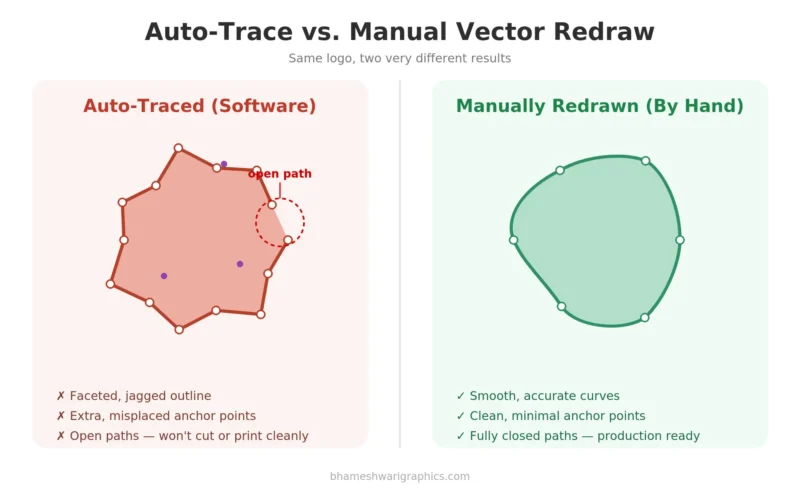
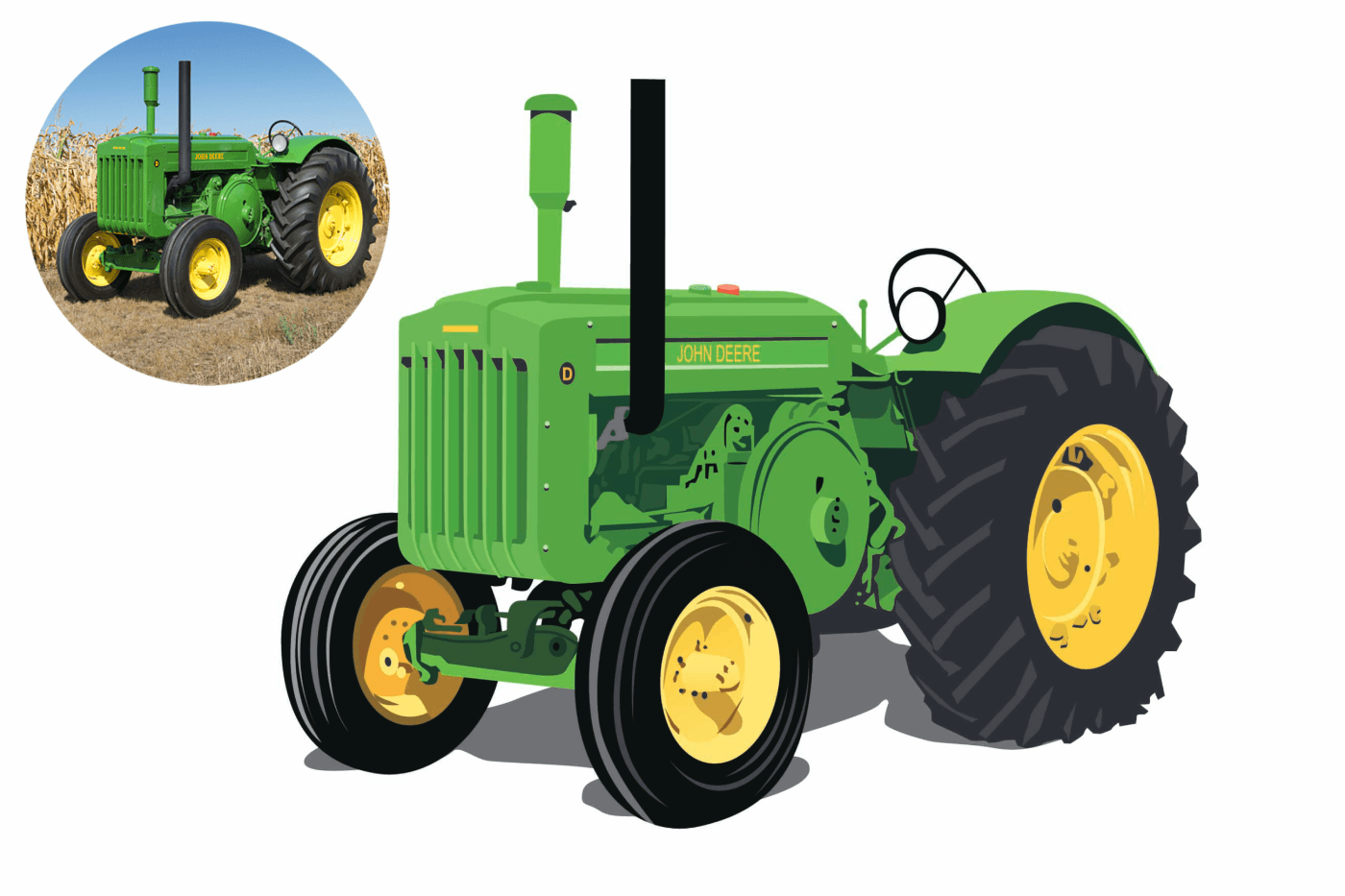
This is the single biggest difference between services, and it’s also the easiest thing to miss because everyone uses the word “vector” the same way. Auto-trace tools run an algorithm over your image and guess at the shapes. That works fine for a simple black icon. It falls apart the moment there’s fine text, overlapping colors, or a blurry scan, because the software has no idea what it’s actually looking at. A person redrawing the file by hand can tell the difference between a smudge and an intentional line. Ask directly: is this hand-traced, or run through software? You’ll usually get a straight answer either way.
2. Which file formats do they actually send?
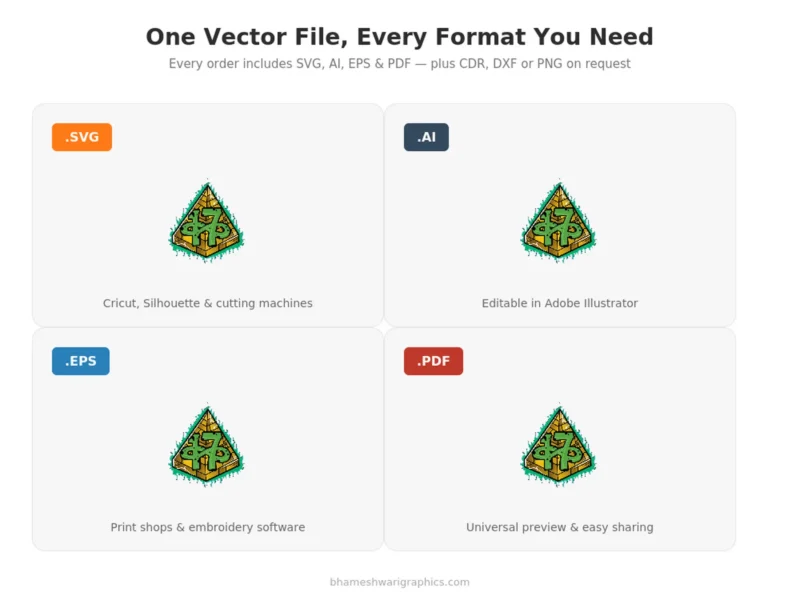
“Vector file” isn’t one format, and the format matters depending on what you’re doing with it. If you’re cutting on a Cricut or Silhouette, you need a clean SVG. If you’re sending to a screen printer, you probably want an AI or EPS with proper color separations already split out. Engravers usually want clean line art with no open paths. A service that only hands you one format and calls it done usually hasn’t asked what you’re actually using the file for.
3. Is the pricing flat, or does it creep up once they see your file?
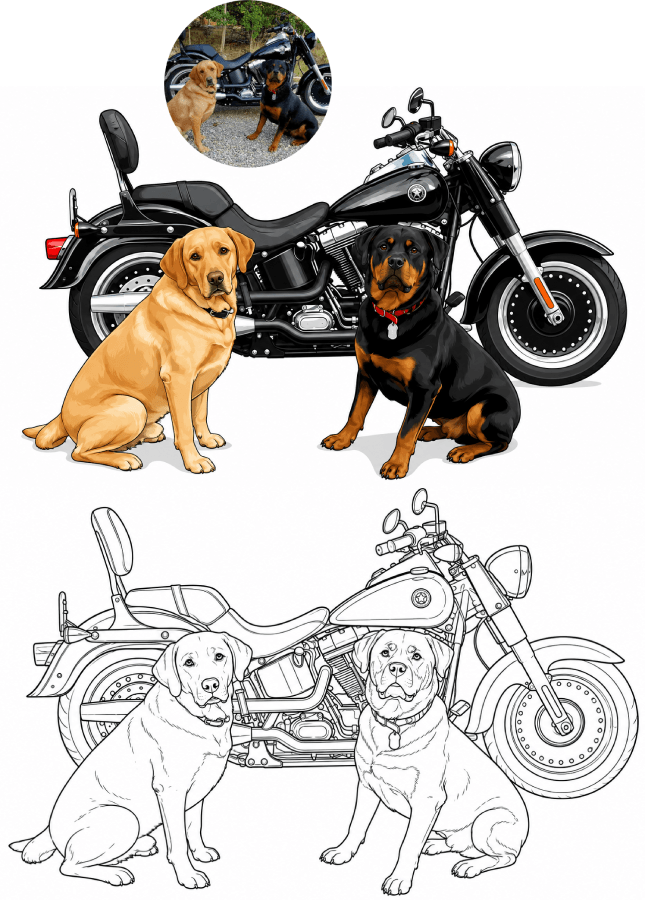
A lot of services advertise a tempting low price, then come back after you’ve sent your image and tell you it’s “complex” and quote you triple. Sometimes that’s fair — a detailed animal illustration or a photo really is more work than a simple logo. But it’s worth knowing upfront where that line is. A service that’s clear about what counts as standard versus complex, before you commit, is usually the safer bet. Some companies offers discount for bulk or regular orders, always ask for outsourcing prices.
4. How long does it actually take, and what’s the rush fee?
Most places quote 24 to 48 hours, which is fine if you’re not in a hurry. The real question is what happens when you are. Some services charge double for rush work. Others just treat every order the same and get it back to you fast regardless. If you’re a screen printer or sign shop working against a customer deadline, this detail matters more than the headline price.
5. What happens if you don’t like the first result?
Vector work is subjective in small ways — maybe the line weight feels too thick, or a color got separated wrong, or the proportions are slightly off from what you pictured. A service that offers free revisions until you’re satisfied is telling you they stand behind the work. One that charges for every small tweak, or limits you to one round of edits, is putting the risk back on you.
6. Do they actually understand your end use?
This one’s harder to check, but it shows up in how they talk about the work. A generic design agency might do a fine job vectorizing a logo for a website, but have no idea why a laser engraving file needs to avoid open paths, or why a screen printer needs spot color separations instead of a flattened image. If your work is going onto a physical product — fabric, metal, vinyl, wood — you want a service that’s actually handled that specific use case before, not just vector art in the abstract sense.
7. Is there an actual guarantee, or just a refund policy buried in the terms?
Read how a service talks about getting it wrong. Some genuinely mean it when they say they’ll redo the work or refund you if you’re not happy. Others have a refund policy that technically exists but is written to be as hard to use as possible. You can usually tell the difference by how plainly it’s stated on the page versus how many conditions are attached to it.
The short version
None of these seven things are complicated, but together they tell you a lot more than a five-star rating or a “100% satisfaction” badge ever will. If a service is upfront about how the work is done, what formats you’ll actually get, where the pricing line sits, and what happens if something’s off, that’s usually a good sign you’re dealing with people who’ve done this a long time and aren’t hiding anything.
We’ve built our own process around exactly these points — hand-drawn redraw with no auto-trace, every standard format included, a flat $10 per design for the vast majority of work, free revisions, and a money-back guarantee if you’re genuinely not happy. If you’ve got a file that needs converting, send it our way and see for yourself.